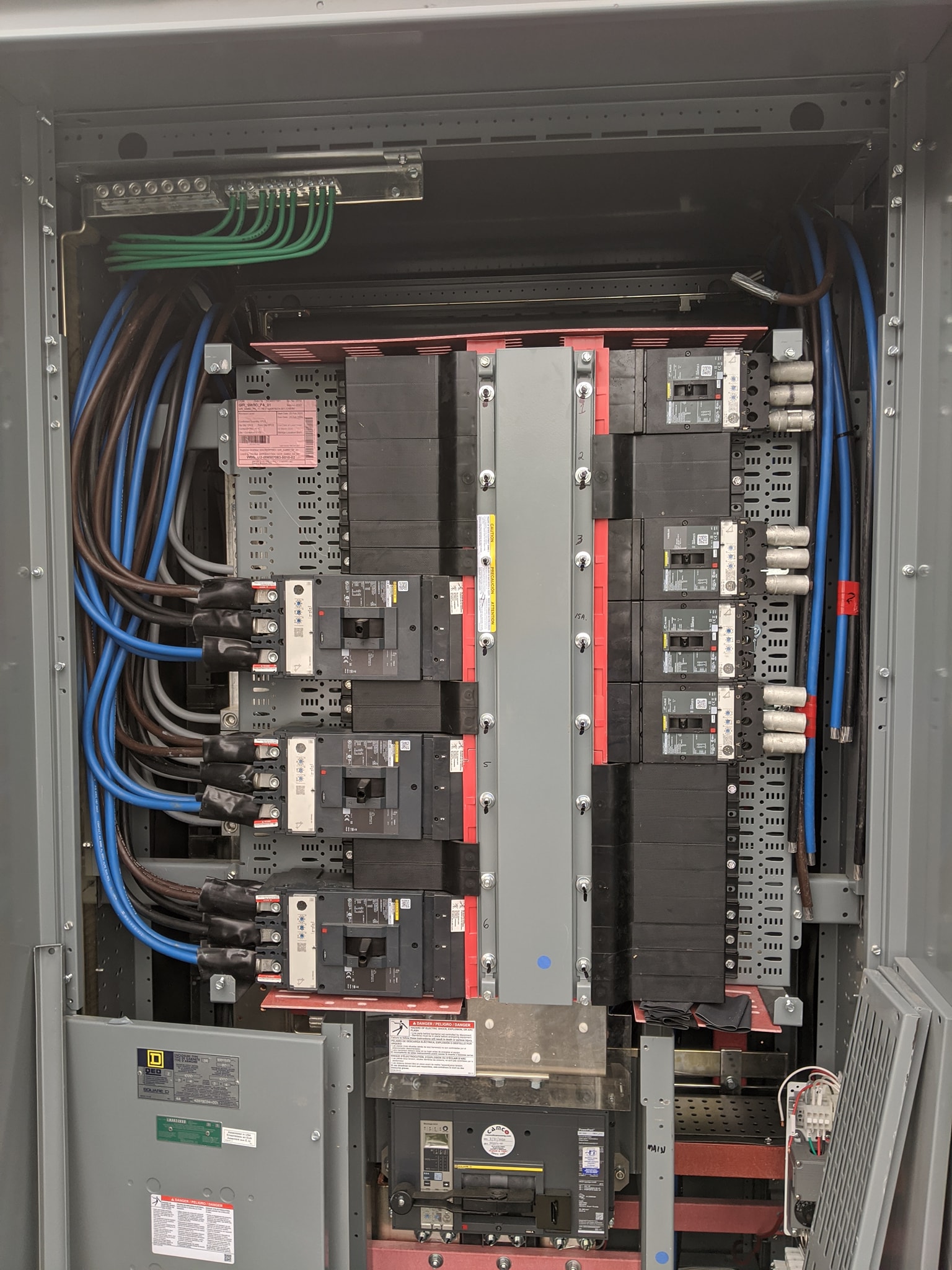
A breaker that keeps tripping isn’t “being annoying.” It’s doing its job, cutting power to help prevent overheating, shocks, and electrical fires. The hard part is figuring out what triggered it, because the symptoms can look the same from room to room.
This simple checklist walks you from the safest first checks to the most common root causes. You’ll also get clear stop points, because some clues mean it’s time to leave the breaker off and call a licensed electrician.
Start with your senses. If you smell burning, see smoke, hear crackling, or spot scorch marks at the panel, an outlet, or a plug, leave the breaker OFF and call a licensed electrician. Don’t “test it again.”
If things look normal, keep it safe:
The type is a clue. Standard breakers trip from overloads or short circuits. GFCI breakers protect people from shock and often trip around water (kitchen, bath, garage, outdoors). AFCI breakers look for arcing, which can happen with damaged wiring or loose connections, and are common in newer panels. Knowing which one trips helps you focus your next checks.
Overload is the usual suspect, especially with heat makers.
If it trips only when two or more high-watt items run together, spread them to other circuits or don’t use them at the same time.
Shorts and arc faults often leave hints you can spot without taking anything apart. Look for warm outlets or switches, buzzing, flickering lights, scorch marks, melted plugs, damaged cords, or a burning smell. Loose plugs and worn cords are common culprits.
If the breaker trips instantly after a reset, keep it off. That “instant trip” pattern often points to wiring damage or a hard short that needs a pro.
Moisture can trip a breaker even when the load is small. Check bathrooms, kitchens, laundry areas, garages, basements, and outdoor outlets. Look for leaks under sinks, wet cords, damp outlet covers, and condensation near windows.
If GFCI outlets are involved, press TEST and then RESET (follow the device label), dry the area, and try again. If it keeps tripping with no clear moisture source, stop and call an electrician.
A faulty appliance often shows a repeatable pattern: the breaker trips only when that device turns on, the device feels hot, smells odd, or has a nicked cord. A simple cross-check helps: try the appliance on a different known-good circuit (only if it’s safe and the cord reaches without an extension cord). If the trip follows the appliance, repair or replace it.
Breakers can also wear out, especially if they’ve tripped a lot. If the same breaker trips with different loads, a licensed electrician should evaluate the circuit and the breaker.
A breaker keeps tripping for a reason. Start with safety, then test for overload, scan for damage that suggests a short or arc fault, check for moisture and ground faults, and finally suspect a bad appliance or a worn breaker. If trips repeat, happen instantly, or come with heat, smell, or noise, leave the breaker off and book a licensed electrician. Your breaker is a warning system, treat it like one.